

Monoclonal Antibodies Market Growing at 12.9% CAGR Through 2033 | Persistence Market Research
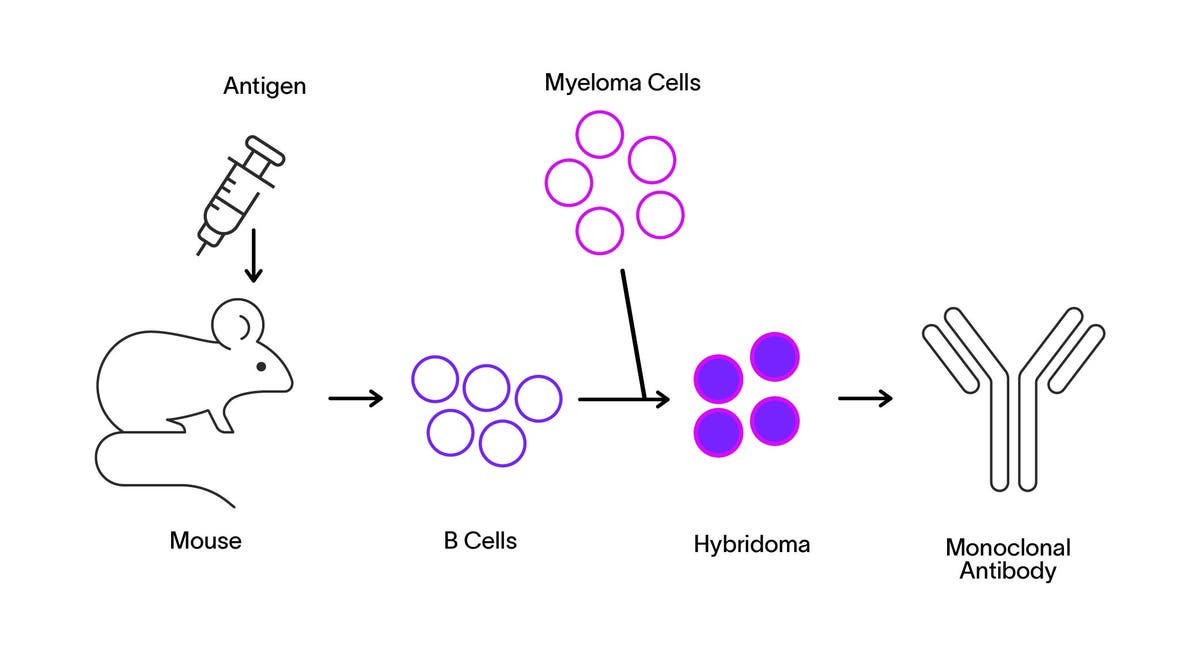
monoclonal antibodies market
Global monoclonal antibodies market is driven by targeted therapies, biotech innovation, and rising demand for advanced treatments worldwide.
LONDON, UNITED KINGDOM, March 30, 2026 /EINPresswire.com/ -- The global monoclonal antibodies market is experiencing robust expansion, driven by the increasing demand for targeted biologic therapies and continuous advancements in biotechnology. The market is projected to grow from US$ 310.8 billion in 2026 to US$ 726.8 billion by 2033, registering a compound annual growth rate (CAGR) of 12.9% during the forecast period. This growth reflects the rising importance of precision medicine, where therapies are tailored to specific disease mechanisms, improving patient outcomes and minimizing side effects.
Monoclonal antibodies (mAbs) have become a cornerstone in modern therapeutics, particularly in oncology, autoimmune diseases, and infectious diseases. Their ability to bind to specific antigens allows for targeted intervention, making them more effective than traditional treatment approaches. Increasing adoption of digital healthcare technologies and innovations in bioprocessing and analytical tools are further enhancing the efficiency of monoclonal antibody development and production.
Download Your Free Sample & Explore Key Insights: https://www.persistencemarketresearch.com/samples/34600
Key Market Highlights
Human monoclonal antibodies dominate the market, accounting for over 52% share due to their reduced immunogenicity and improved therapeutic performance. These antibodies are derived from human sources, ensuring compatibility and minimizing adverse immune responses. Their high specificity enables precise targeting of disease pathways, making them highly effective in treating complex conditions such as cancer and chronic inflammatory diseases.
North America holds the largest market share, contributing approximately 45.8% in 2025. This dominance is attributed to advanced healthcare infrastructure, strong regulatory frameworks, and significant investments in research and development. Meanwhile, the Asia-Pacific region is emerging as the fastest-growing market due to increasing healthcare investments, expanding biopharmaceutical capabilities, and supportive government initiatives.
Market Dynamics
Drivers
The rising prevalence of chronic diseases, particularly cancer and autoimmune disorders, is a major driver of market growth. Monoclonal antibodies play a crucial role in targeted therapy by selectively attacking diseased cells while sparing healthy tissues. This targeted approach improves treatment efficacy and reduces side effects. Additionally, the growing elderly population and increasing awareness about advanced treatment options are contributing to higher demand.
The success of monoclonal antibodies during global health crises has also highlighted their potential in infectious disease management. Their use in neutralizing viral infections has reinforced their importance as a complementary therapeutic approach alongside vaccines.
Restraints
Despite strong growth prospects, the market faces challenges related to high development and manufacturing costs. Developing a monoclonal antibody therapy requires significant investment in research, clinical trials, and regulatory approvals. Complex manufacturing processes involving advanced cell culture systems and purification technologies further increase costs.
These high costs translate into expensive treatments, limiting accessibility in developing regions. Additionally, stringent regulatory requirements and long development timelines can delay product launches and create barriers for smaller biotechnology companies.
Get Custom Insights Designed for Your Businecss: https://www.persistencemarketresearch.com/request-customization/34600
Opportunities
The development of next-generation monoclonal antibodies, including bispecific and multispecific antibodies, presents significant growth opportunities. These advanced therapies can target multiple pathways simultaneously, enhancing treatment effectiveness. Innovations in antibody engineering and the integration of artificial intelligence in drug discovery are expected to accelerate the development pipeline.
Emerging markets also offer substantial potential due to improving healthcare infrastructure and increasing investments in biotechnology. Expansion into these regions can help companies tap into large patient populations and drive market growth.
Segment Analysis
By source type, human monoclonal antibodies lead the market due to their safety and efficacy advantages. Technological advancements such as phage display and transgenic models have improved the development of fully human antibodies, supporting their widespread adoption.
In terms of production, in vitro methods dominate due to their scalability and consistency. These methods utilize controlled cell culture systems, ensuring high-quality output and regulatory compliance. The adoption of single-use bioreactors and continuous manufacturing techniques has further enhanced production efficiency.
Regional Insights
North America continues to lead the market due to its strong research ecosystem and high healthcare spending. Europe also holds a significant share, supported by well-established healthcare systems and increasing adoption of biologics.
Asia-Pacific is the fastest-growing region, driven by rapid healthcare development, rising disease prevalence, and government support for biopharmaceutical innovation. Countries such as China, India, and Japan are investing heavily in manufacturing capabilities and research activities, boosting regional growth.
Competitive Landscape
The monoclonal antibodies market is highly competitive, with major players focusing on innovation, strategic collaborations, and global expansion. Companies are investing heavily in research and development to strengthen their product pipelines and gain a competitive edge. The introduction of biosimilars and advancements in antibody engineering are also shaping the competitive landscape.
Checkout Now & Download Complete Market Report: https://www.persistencemarketresearch.com/checkout/34600
Global Monoclonal Antibodies Market Segmentation
By Source Type
Human
Murine
Chimeric
Humanized
By Production Type
In-vivo
In-vitro
By Application
Infectious Diseases
Neurological Diseases
Autoimmune Diseases
Oncology
Others
By End User
Hospitals
Specialty Centers
Others
By Region
North America
Europe
East Asia
South Asia & Oceania
Latin America
Middle East and Africa
Overall, the monoclonal antibodies market is poised for significant growth, supported by technological advancements, increasing demand for targeted therapies, and expanding global healthcare access.
Read Related Reports:
Dyslexia Treatment Market: The global dyslexia treatments market is valued at US$5.3B in 2026 and is projected to reach US$8.9B by 2033, growing at a 7.6% CAGR during 2026–2033.
Real-Time PCR (qPCR) Market: The global Real-Time PCR (qPCR) market is valued at US$3.5B in 2026 and projected to reach US$5.8B by 2033, growing at a 7.4% CAGR, during 2026–2033.
Persistence Market Research
Persistence Market Research Pvt Ltd
+1 646-878-6329
email us here
Visit us on social media:
LinkedIn
Instagram
Facebook
YouTube
X
Legal Disclaimer:
EIN Presswire provides this news content "as is" without warranty of any kind. We do not accept any responsibility or liability for the accuracy, content, images, videos, licenses, completeness, legality, or reliability of the information contained in this article. If you have any complaints or copyright issues related to this article, kindly contact the author above.
